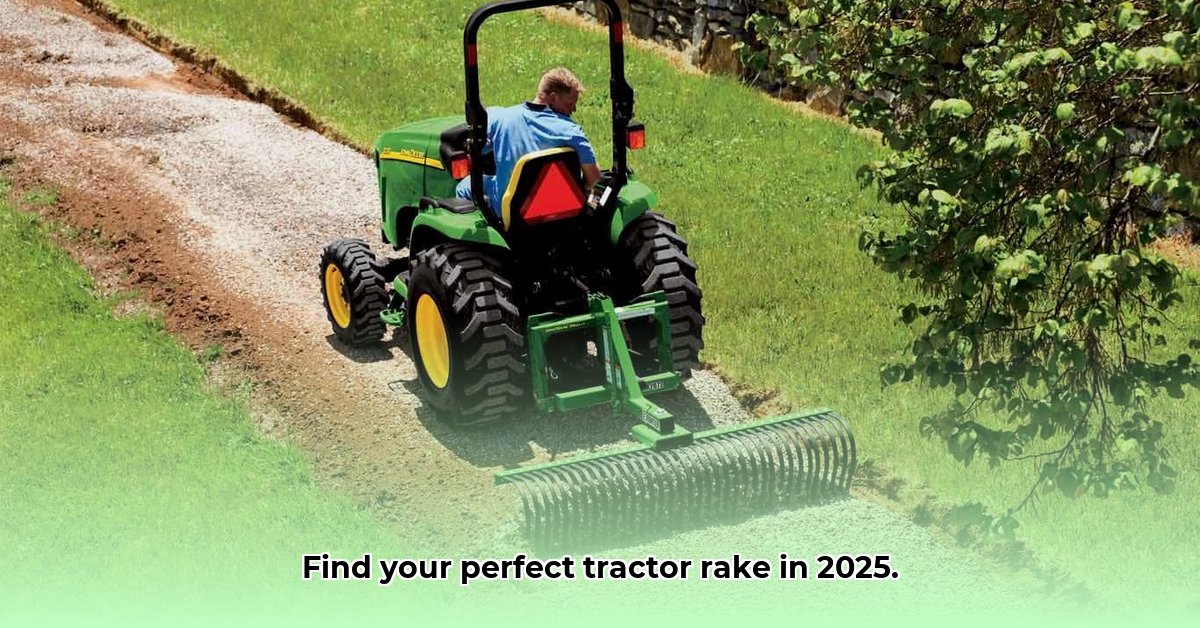
Choosing the Right Tractor Landscape Rake: A Comprehensive Guide
Leveling land, clearing brush, and preparing fields – these tasks are significantly easier with the right tractor landscape rake. But with numerous options available, selecting the perfect one can be daunting. This guide simplifies the process, providing a clear understanding of essential rake features and aiding in the selection of the best model for your needs and budget. We'll explore tine types, frame construction, safety considerations, and offer a preliminary comparison of popular brands. For more detailed information on specific models, check out this helpful resource: Tractor Rake Guide. Whether you're a seasoned farmer or a novice, this guide serves as your complete handbook for selecting and effectively utilizing a tractor landscape rake.
Buying Guide: Key Features to Consider
Selecting the ideal tractor landscape rake involves more than simply finding the cheapest option; it demands a careful assessment of your specific requirements and a commitment to long-term performance. Let's analyze the key factors influencing your choice:
Tine Design and Strength: The Core of the Operation
The tines are the rake's working components, making their design and robustness paramount. Several types exist, each suited for specific applications:
- Straight Tines: Best for lighter tasks like smoothing soil or moving light debris. Their simplicity reduces the risk of damage from rocks.
- Curved Tines: Ideal for heavier-duty applications involving larger material volumes. However, they're more susceptible to damage from rocks and heavy debris.
- Spring Tines: Represent a balance between strength and flexibility. They bend under stress rather than breaking, making them resilient to hard impacts.
Tine spacing also significantly impacts performance. Wider spacing facilitates moving larger debris, while closer spacing is better for fine grading. Remember, tine strength is a high-impact factor in the risk assessment of these machines – choose wisely. Do you need a rake that can handle rocks and roots, or will it mainly be used for lighter tasks? The answer heavily influences your tine choice.
Gauge Wheels: Precision and Control
Gauge wheels maintain consistent working depth, proving especially valuable for tasks requiring precise grading. They enhance accuracy but add to the rake's cost and complexity.
- Advantages: Consistent depth for even grading, improved accuracy in land leveling.
- Disadvantages: Increased cost, potential for damage in rocky terrain.
Before selecting gauge wheels, carefully consider whether precise grading is essential for your projects. Is achieving a perfectly level surface important for your farming practices? If so, gauge wheels are a worthwhile investment.
Frame Construction and Materials: Durability and Longevity
A robust frame is crucial for a long-lasting rake. Look for heavy-duty construction using high-quality materials—the steel gauge directly indicates strength. Domestically manufactured rakes often boast superior quality control, though this typically translates to a higher price. Manufacturing quality is a significant factor in the risk assessment matrix. A sturdy frame ensures a longer lifespan and reduced risk of costly repairs. What level of durability is necessary given the terrain and the intensity of use?
Hitch Type: Ensuring Compatibility
Ensure the hitch type is compatible with your tractor. Different tractors utilize diverse hitch systems, necessitating careful verification before purchase. Improper hitching can severely compromise usability and safety. Which hitch type does your tractor use? Checking this before buying is critical.
Working Width: Efficiency and Maneuverability
Working width directly impacts efficiency. A wider width increases coverage per pass but may limit maneuverability in confined spaces. Consider the scale of your operations and the terrain when selecting this parameter. A wider working width saves time but could prove cumbersome in smaller fields. How much land do you need to cover, and how easy is it to maneuver your tractor?
Price and Value: Balancing Cost and Quality
Prices vary widely, reflecting differences in features and quality. While a higher price doesn't guarantee superior quality, a very low price might signal compromised construction or materials. Strive for a balance between price and the essential features for your needs. What level of investment is appropriate given your budget and the projected frequency of use?
Preliminary Comparison: Brand Considerations
(Due to data limitations, a detailed comparison of specific brands like Everything Attachments and County Line is not feasible here. A future update will include this analysis once more data becomes available.) However, for now, look to online reviews and compare specifications from manufacturer websites to make an informed decision.
Maintenance and Safety: Ensuring Long-Term Performance and Safety
Regular maintenance is crucial for extending the rake's lifespan and ensuring safe operation:
- Regular Inspections: Check for loose bolts, damaged tines, and wear on other components before each use.
- Lubrication: Lubricate moving parts according to the manufacturer's recommendations.
- Safety Precautions: Always wear appropriate safety gear (eye protection, gloves, sturdy footwear) and avoid operating the rake in hazardous conditions.
- Maintenance Schedule: Develop a regular maintenance schedule (yearly inspections, lubrication, and repairs) for optimal condition.
Conclusion: Making an Informed Decision
Choosing the right tractor landscape rake requires careful consideration of your needs, budget, and the tasks you'll perform. By understanding the key features highlighted in this guide and conducting thorough research, you can make a well-informed decision, maximizing your investment and ensuring efficient land management. Remember, ongoing maintenance is critical for a long and productive service life.